
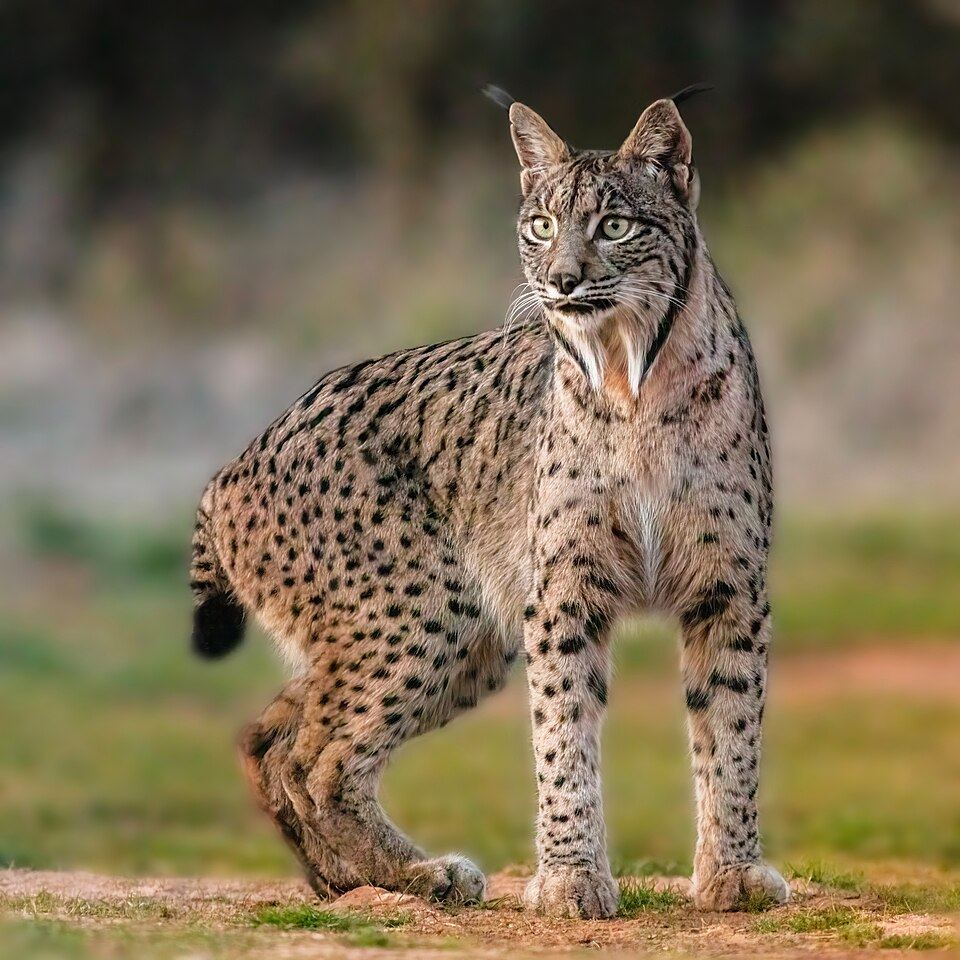
Mammal · Cats
Iberian Lynx
A specialist hunter of Mediterranean scrub and open woodland, recovering in southern and central Spain after coming close to extinction.
Meet the lynx Wildlife
Mammal · Cats
A specialist hunter of Mediterranean scrub and open woodland, recovering in southern and central Spain after coming close to extinction.
Meet the lynx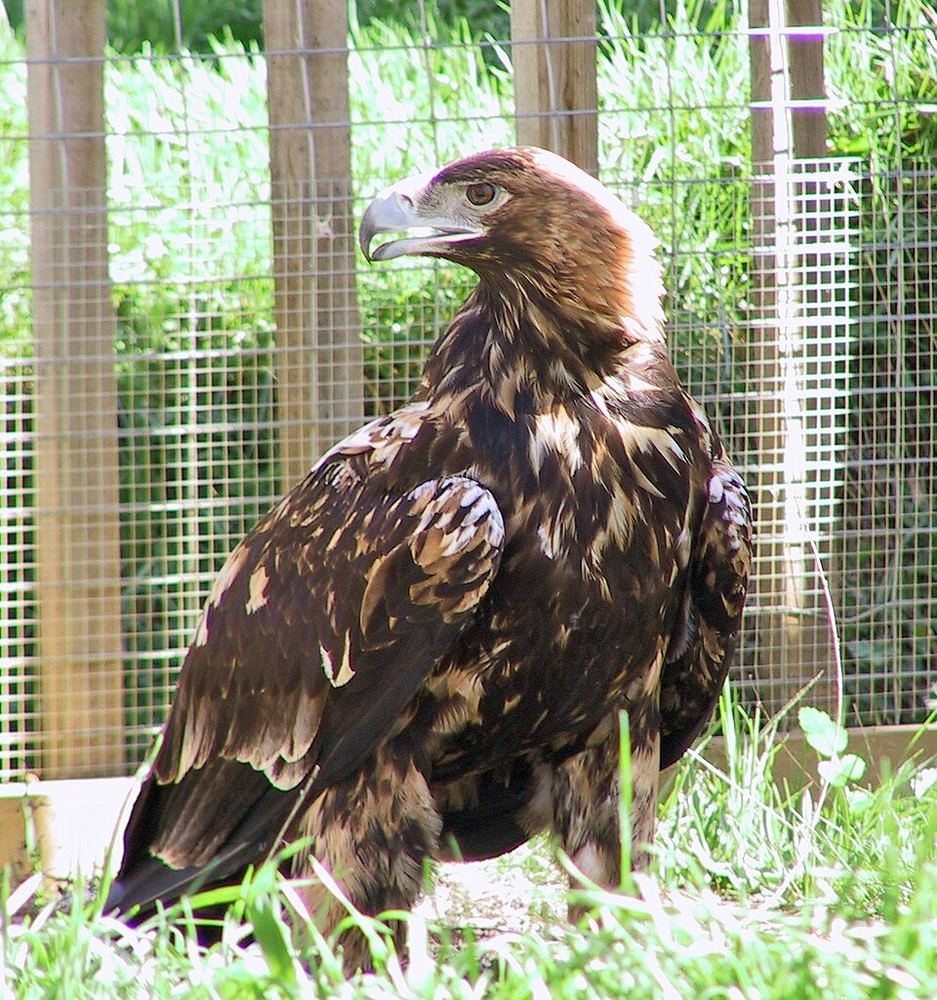
Bird · Eagles
One of Europe's most distinctive raptors, centred on dehesa and Mediterranean woodland in western and central Spain.
Meet the eagle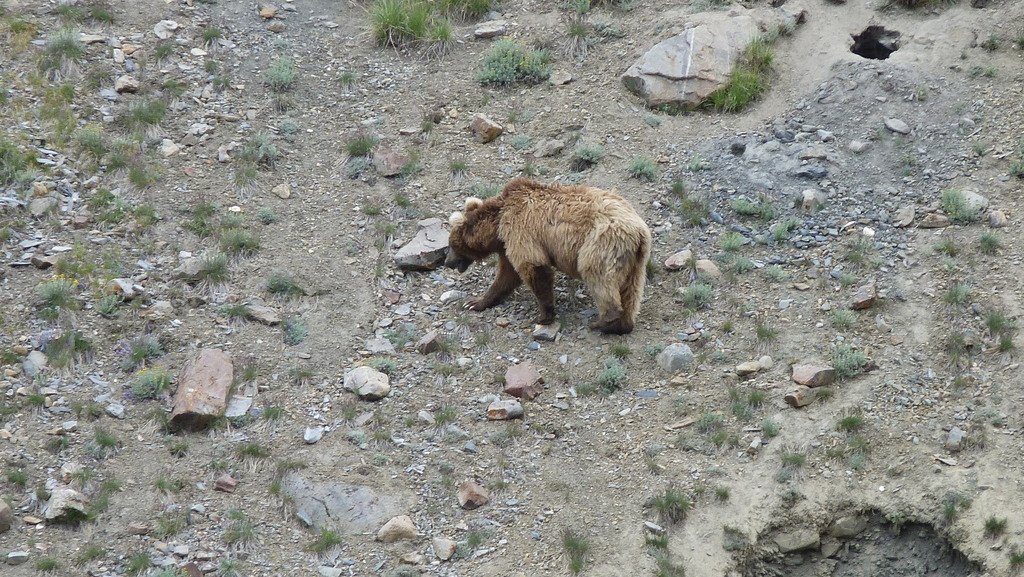
Mammal · Bears
Spain's remaining brown bears survive chiefly in the Cantabrian mountains, roaming forests, berry slopes and high pasture.
Meet the bear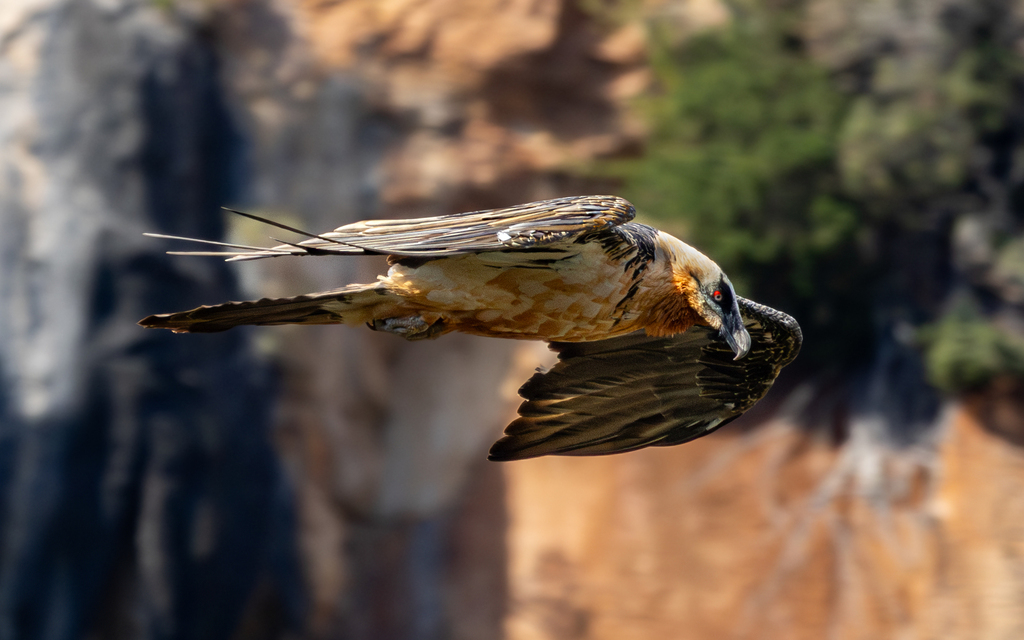
Bird · Vultures
A vast mountain scavenger that patrols the Pyrenees and other ranges, dropping bones onto rocks to reach the marrow.
Meet the vulture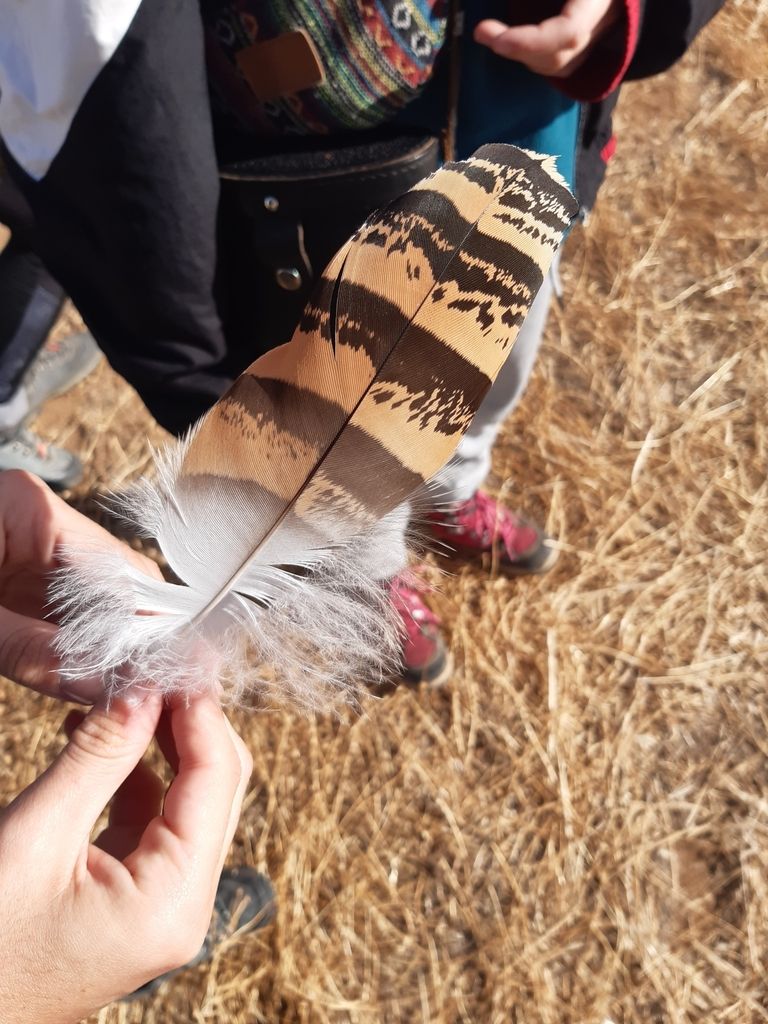
Bird · Bustards
The world's heaviest flying birds gather on Spain's open cereal plains, where males perform striking spring displays.
Meet the bustard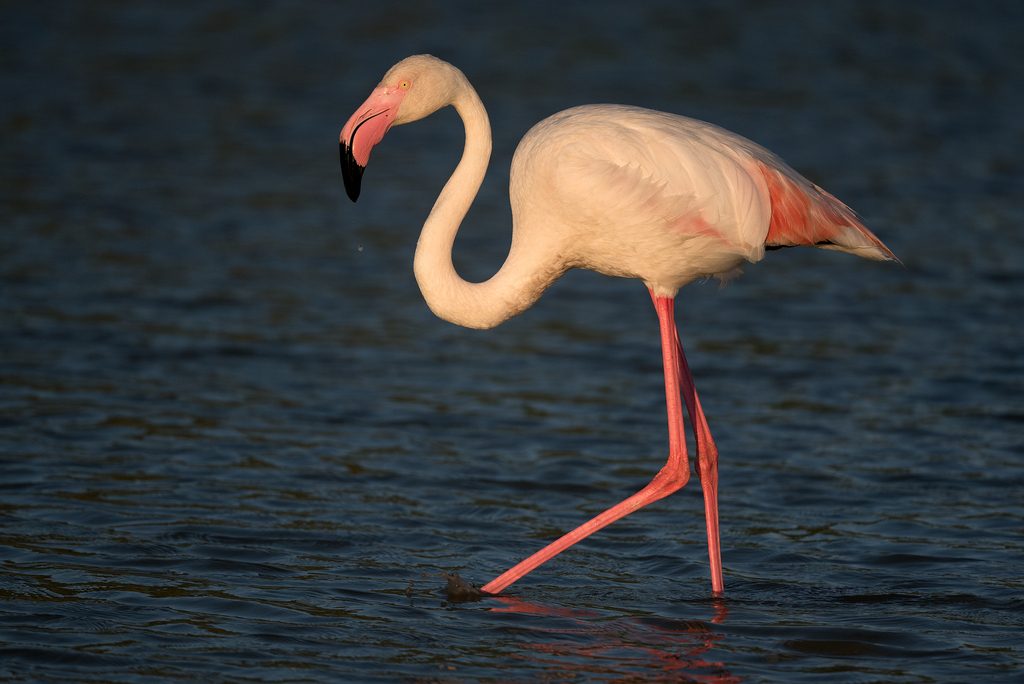
Bird · Flamingos
Large pink-and-white flocks feed in saline wetlands from Doñana to the Ebro Delta and Mediterranean lagoons.
Meet the flamingoA free field guide to 775 animals in Spain: photos and identification notes for 102 mammals, 549 birds, 35 amphibians, 61 lizards, 16 snakes and 12 turtles and crocodiles, plus 25 of the best places to see wildlife in Spain, a trip planner and a personal sightings log. Free, with no sign-up.
700+ mammals, birds, reptiles and amphibians
Wildlife of Spain is a free online field guide to the wildlife of Spain: 775 species (102 mammals, 549 birds, 35 amphibians, 61 lizards, 16 snakes and 12 turtles and crocodiles) with photos and identification notes, 25 places to see wildlife, a trip planner and a personal sightings log. It is part of Wildlife of Everywhere, a family of free guides to wildlife destinations around the world.
Highlights include Doñana National Park (Andalusia), Picos de Europa (Asturias / Cantabria / Castile and León), Ordesa y Monte Perdido (Aragon), Aigüestortes i Estany de Sant Maurici (Catalonia) and Monfragüe National Park (Extremadura). The guide covers 25 places in all, each with the species it is known for and tips for visiting.
The guide's best places for the Iberian Lynx are Doñana National Park and Sierra de Andújar. Marsh, dunes, scrub and pine forest at the Guadalquivir estuary.
The guide's best places for the Spanish Imperial Eagle are Doñana National Park, Monfragüe National Park, Sierra de Andújar and Cabañeros National Park. Marsh, dunes, scrub and pine forest at the Guadalquivir estuary.
The guide's best places for the Brown Bear are Picos de Europa and Somiedo Natural Park. A limestone mountain range of gorges, beech woods and alpine pasture.
Yes. The guide is free with no sign-up, and works in any phone, tablet or computer browser. Your trip plan and sightings log are saved on your own device.
Species are drawn from MDD, AviList, the Reptile Database, AmphibiaWeb, Catalogue of Life and reviewed GBIF occurrence evidence. Introduced species are labelled. No global IUCN status is published; unknown national status remains unknown.
Yes. Use the contribution form to send photos, an album link, a trip report or a species that is missing. Every contribution is checked before it is added, you keep your copyright, and you are credited by name.
Many of Spain's species still have no photo in this guide. If you have a good, openly licensed photo of one, we would love to use it, with credit.