
 Wildlife
of Spain
Greater White-toothed Shrew
Shrews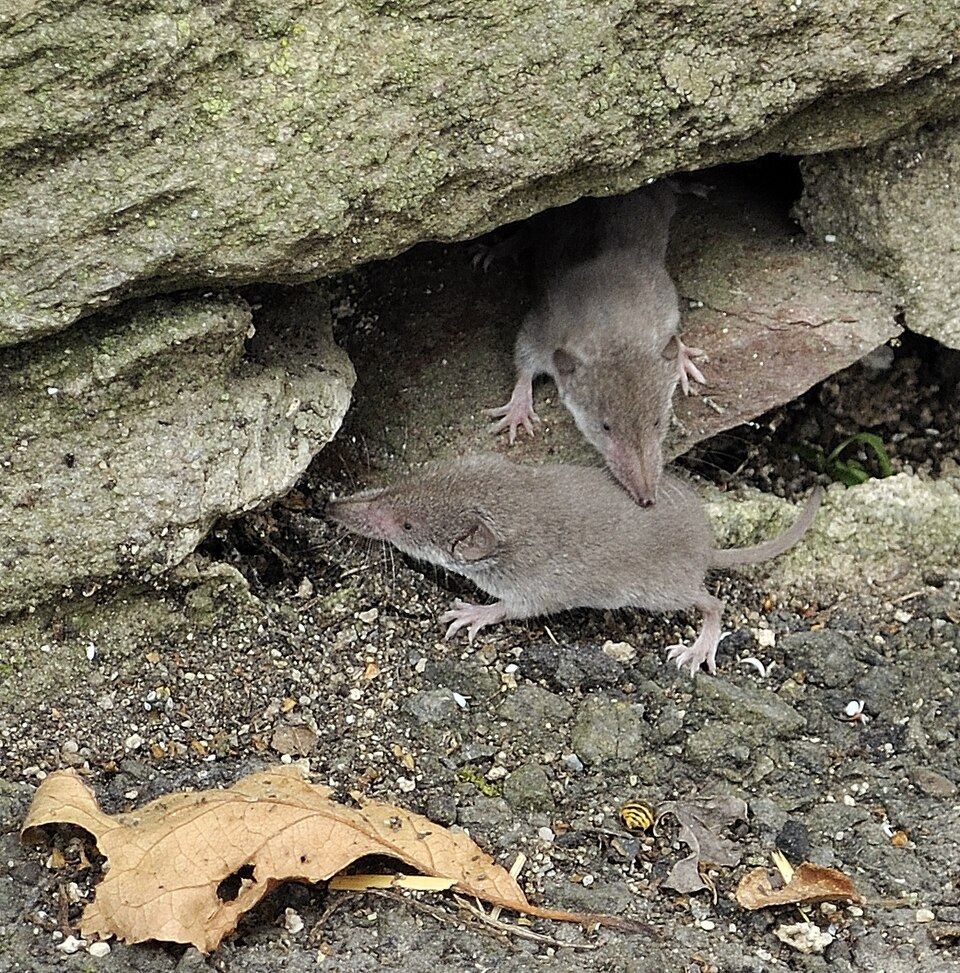
Photo: DerHexer, Wikimedia Commons · CC BY-SA 4.0 (May be cropped or resized)
Crocidura russula
The greater white-toothed shrew (Crocidura russula) is a small insect-eating mammal found in Europe and North Africa. Its upper coat is grayish or reddish brown, with a yellow-gray underside; it weighs around 11–14 g. The head and body measure about 6–9 cm, with a tail around 3–4.3 cm long. (Wikipedia, general species account; Catalogue of Life)
It occupies grassland, woodland, hedgerows and farmland, and builds nests beneath stones, logs or in abandoned burrows. This shrew is carnivorous, taking invertebrates as well as occasional small rodents, lizards and amphibians. It is semi-social, shares nests in winter and enters torpor; its breeding season generally runs from March to September. Females produce about four litters of two to ten young, and pairs guard their territories together. (Wikipedia, general species account)
Where to see Greater White-toothed Shrew in Spain
GBIF records grouped by protected area. They show where the species has been reported, not that it is there now, and they are not population counts.
Recorded in 11 protected areas (1968–2025). The 8 with the most records:
- LIC Tramos Bajos del Aragón y del Arga: 316 records (1970–2023)
- LIC Yesos de la Ribera Estellesa: 276 records (1986–2019)
- Aragoi ibaiko erdiko tartea HBB - KBE: 142 records (1978–2025)
- Itzaga Mendia Kontserbazio Bereziko Eremua: 117 records (1968)
- Artxugako mendilerroa, Zarikieta eta Aretako mendiak KBE: 94 records (1991)
- Kodesko mendilerroa KBE: 49 records (1992)
- ZEC-ZEPA Sierra de Leire: 33 records (1983–1992)
- ZEC Peñadil - Montecillo - Monterrey KBE: 17 records (1992)