
 Wildlife
of Spain
Soprano Pipistrelle
Bats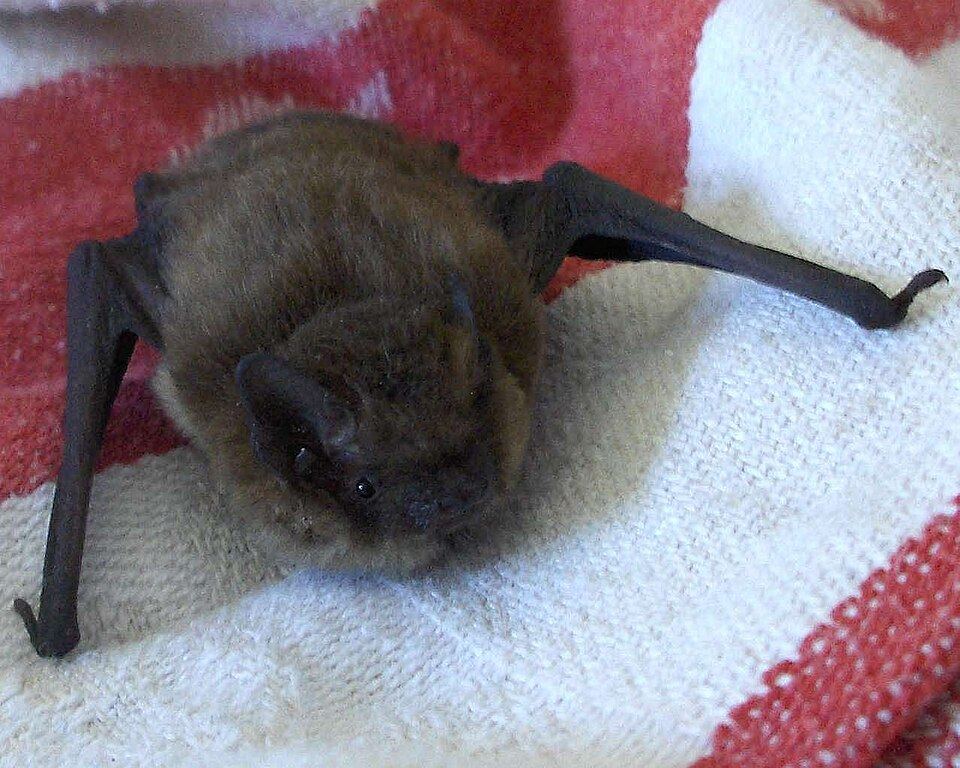
Photo: Magne Flåten · CC BY-SA 3.0 (May be cropped or resized)
Pipistrellus pygmaeus
Basic stats
Habitat
Rooftops and houses, riparian woodland, wetlands and farmland
Range
Europe
The soprano pipistrelle (Pipistrellus pygmaeus) is a small bat first named by Leach in 1825. It roosts across Europe, often on rooftops and in houses. One study suggested rooftops suit maternity colonies because the temperature varies across a roof, letting them reach cooler spots on warm days and warmer spots at other times. Although it can thermoregulate up to 40°C, it prefers not to go above that temperature. Black bat boxes, although they can overheat, were used most often, suggesting a preference for warmth. Some colonies also use alternative roosts, including bungalows and manors (Wikipedia, general species account).
It forages in only a small part of its range, generally close to its day roost. The area it used was around 487 ha and was mostly agricultural land, with more woodland edge and grassland also used. Riparian woodland was the most preferred foraging habitat, followed by water, and together they made up 77% of foraging time, with hunting areas up to 4–10km from the roost. Foraging ranges often overlap because of this preference, and during lactation its foraging trips are longer but fewer than those of the common pipistrelle. GBIF notes it is more linked to aquatic habitats and urban areas than the common pipistrelle (Wikipedia, general species account; GBIF description, Vespertilionidae).
Quick answers
- What habitat does the Soprano Pipistrelle live in?
- Rooftops and houses, riparian woodland, wetlands and farmland
- Where is the Soprano Pipistrelle found?
- Europe