
 Wildlife
of Spain
European Herring Gull
Gulls, Terns, Skuas & Auks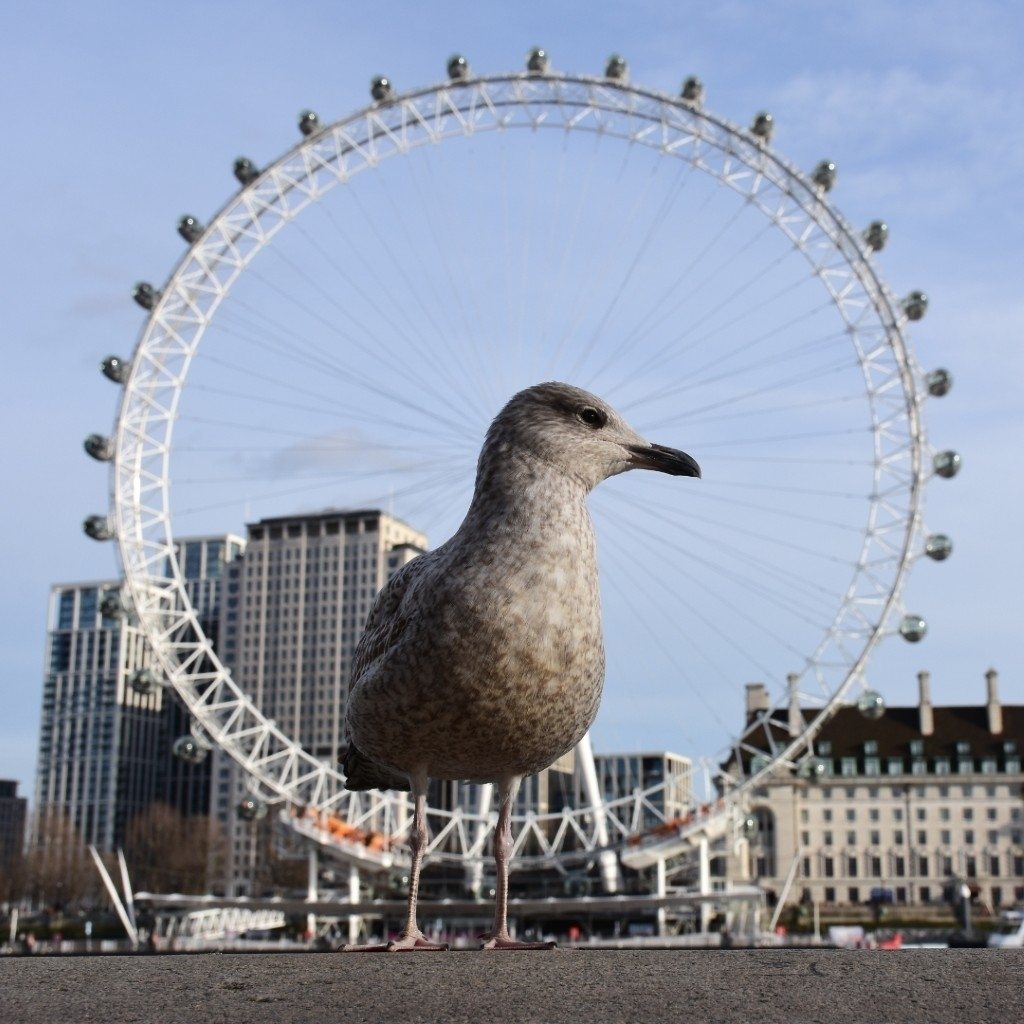
Photo: (c) Zac Peterson, some rights reserved (CC BY) · CC BY 4.0 (May be cropped or resized)
Larus argentatus
Basic stats
Diet
Fish, invertebrates and carrion
Habitat
Coasts, islands, estuaries and towns
Range
Northern and western Europe
Clutch size
Usually 3 eggs
Incubation period
About 26 days
Size
55–67cm
Wingspan
125–155cm
Weight
Averages about 1091g
The European Herring Gull is a large gull, 55–67 cm long with a 125–155 cm wingspan. Adults have a pale grey back, white head and underparts, black-and-white wingtips, pink legs and a yellow bill marked red. AVONET records an average mass of about 1,091 g and classifies it as a partly migratory coastal predator with generalist habits (Wikipedia, general species account; AVONET, Tobias et al. 2022).
It breeds around northern and western European coasts, with many birds resident and colder-region populations moving south in winter. Coasts, estuaries, islands and urban settings all provide food. Fish form 40% of the EltonTraits diet profile, invertebrates 30% and carrion 20%. A typical clutch has three eggs; AnAge gives an incubation period of about 26 days (Wikipedia, general species account; EltonTraits, Wilman et al. 2014; AnAge).
Where to see European Herring Gull in Spain
GBIF records grouped by protected area. They show where the species has been reported, not that it is there now, and they are not population counts.
Recorded in 5 protected areas (1991–2024).
- LIC Jaizkibel BGL: 100 records (1991–2024)
- Reserva Natural Parcial de la Ría de Villaviciosa: 26 records (2003–2024)
- Zona Húmida Protexida Ría de Ortigueira e Ladrido: 25 records (1991–2024)
- Gaztelugatxeko natura monumentua: 3 records (2020–2022)
- Parque Natural de la Bahía de Cádiz: 3 records (2005–2013)
Quick answers
- What does the European Herring Gull eat?
- Fish, invertebrates and carrion
- What habitat does the European Herring Gull live in?
- Coasts, islands, estuaries and towns
- Where is the European Herring Gull found?
- Northern and western Europe
- How many eggs does the European Herring Gull lay?
- Usually 3 eggs
- How long are the eggs of the European Herring Gull incubated?
- About 26 days
- How big is the European Herring Gull?
- 55–67cm
- What is the wingspan of the European Herring Gull?
- 125–155cm
- How much does the European Herring Gull weigh?
- Averages about 1091g